Participation in Training on Sustainable fisheries OR Species conservation for Mediterranean Civil Society Organisations
(Algeria, Egypt, Lebanon, Libya, Morocco, Tunisia)
Application deadline: 26 March 2026 (23:59 CET)
Eligible countries: Algeria, Egypt, Lebanon, Libya, Morocco, Tunisia
Training locations: Tunis (Tunisia) and Alicante (Spain) – May to June 2026
More information and application: Expression of Interest form
Summary Information
IUCN Med invites civil society organizations from Morocco, Algeria, Tunisia, Libya, Egypt and Lebanon to nominate trainees for two specialized training sessions focused on sustainable fisheries and species conservation. These trainings aim to strengthen the capacity of local actors to implement nature-based solutions and contribute to biodiversity conservation, climate resilience, and sustainable livelihoods in their communities.
For inquiries, contact: mubadarat@iucn.org
Background
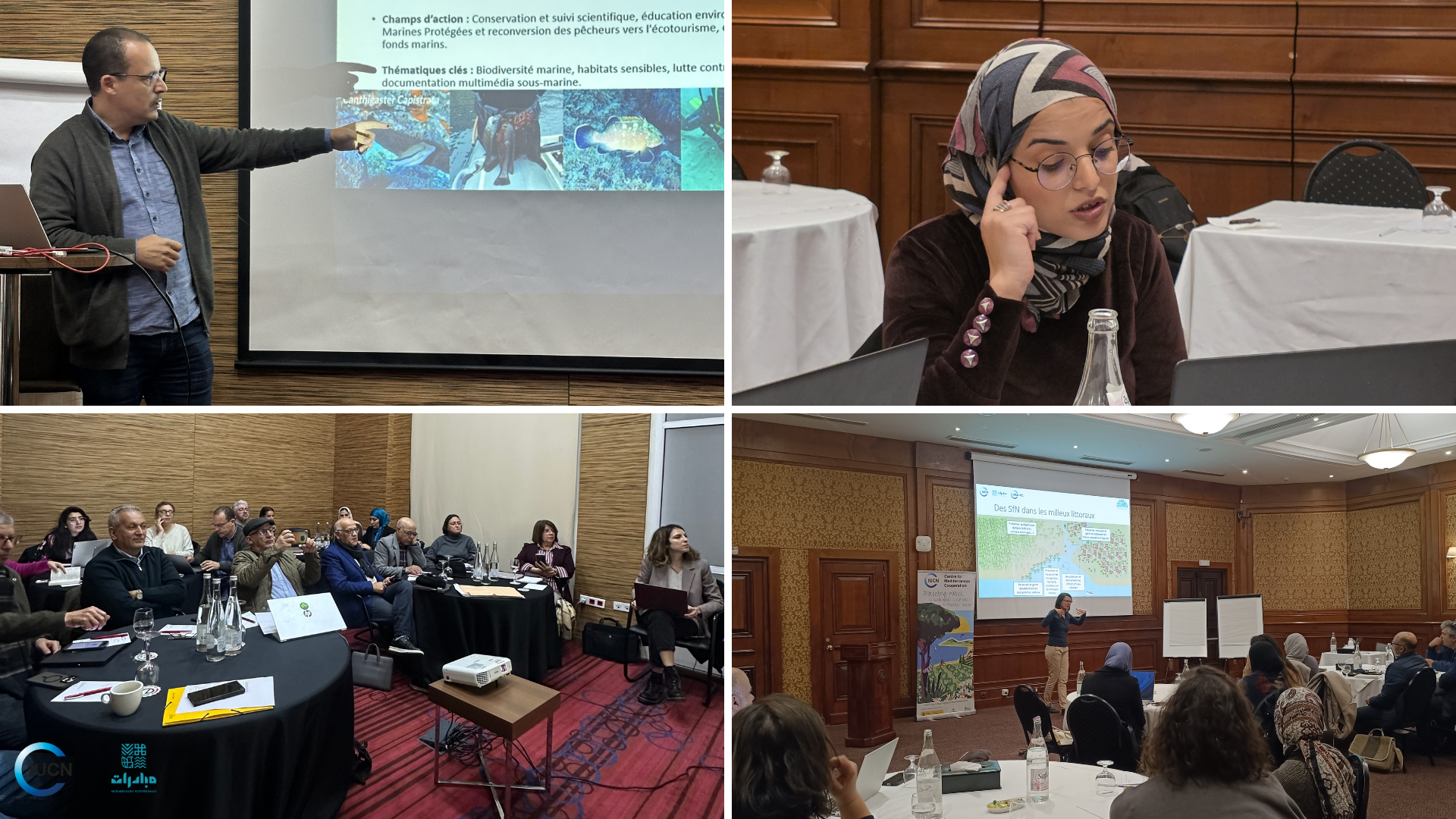
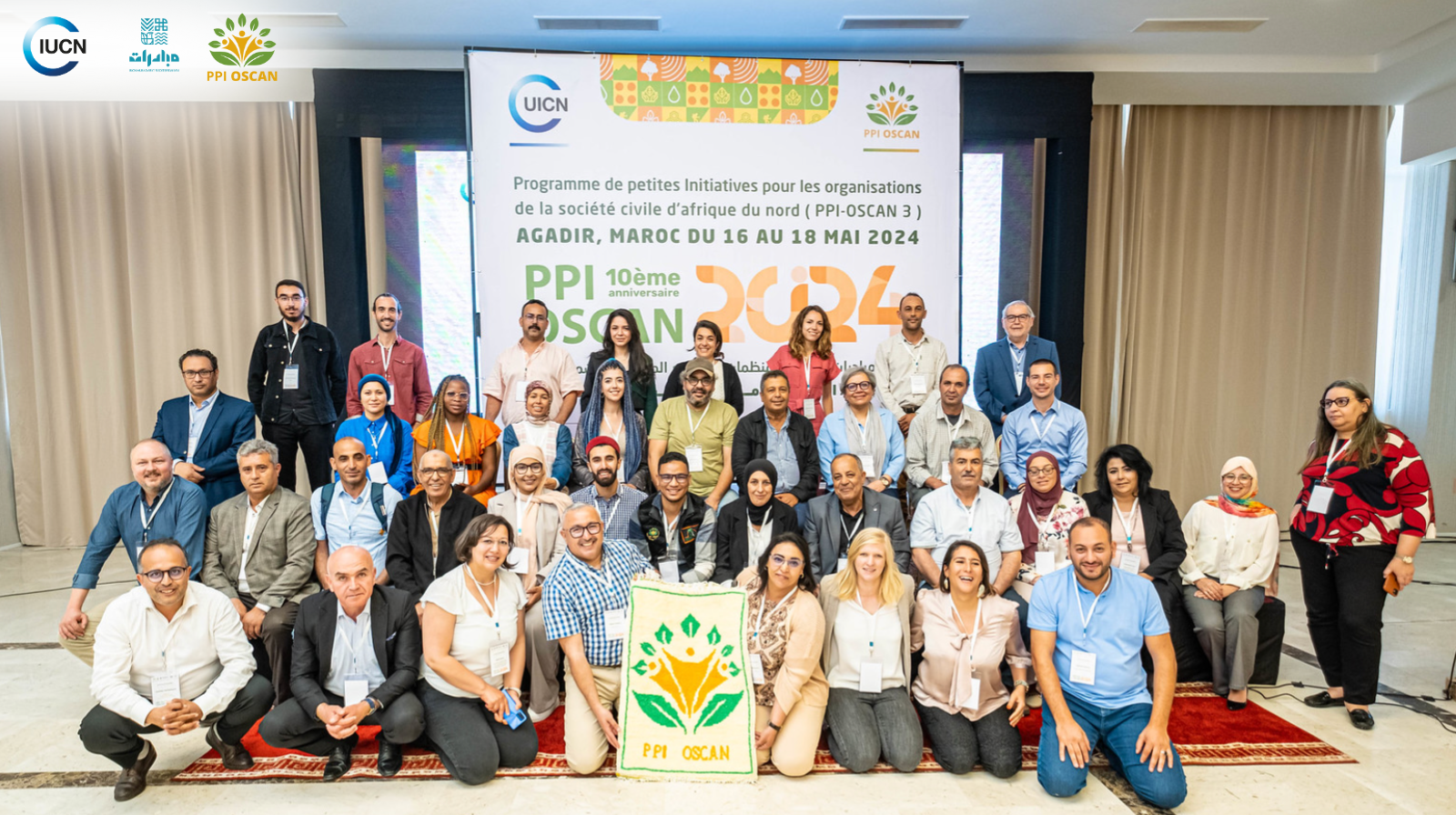
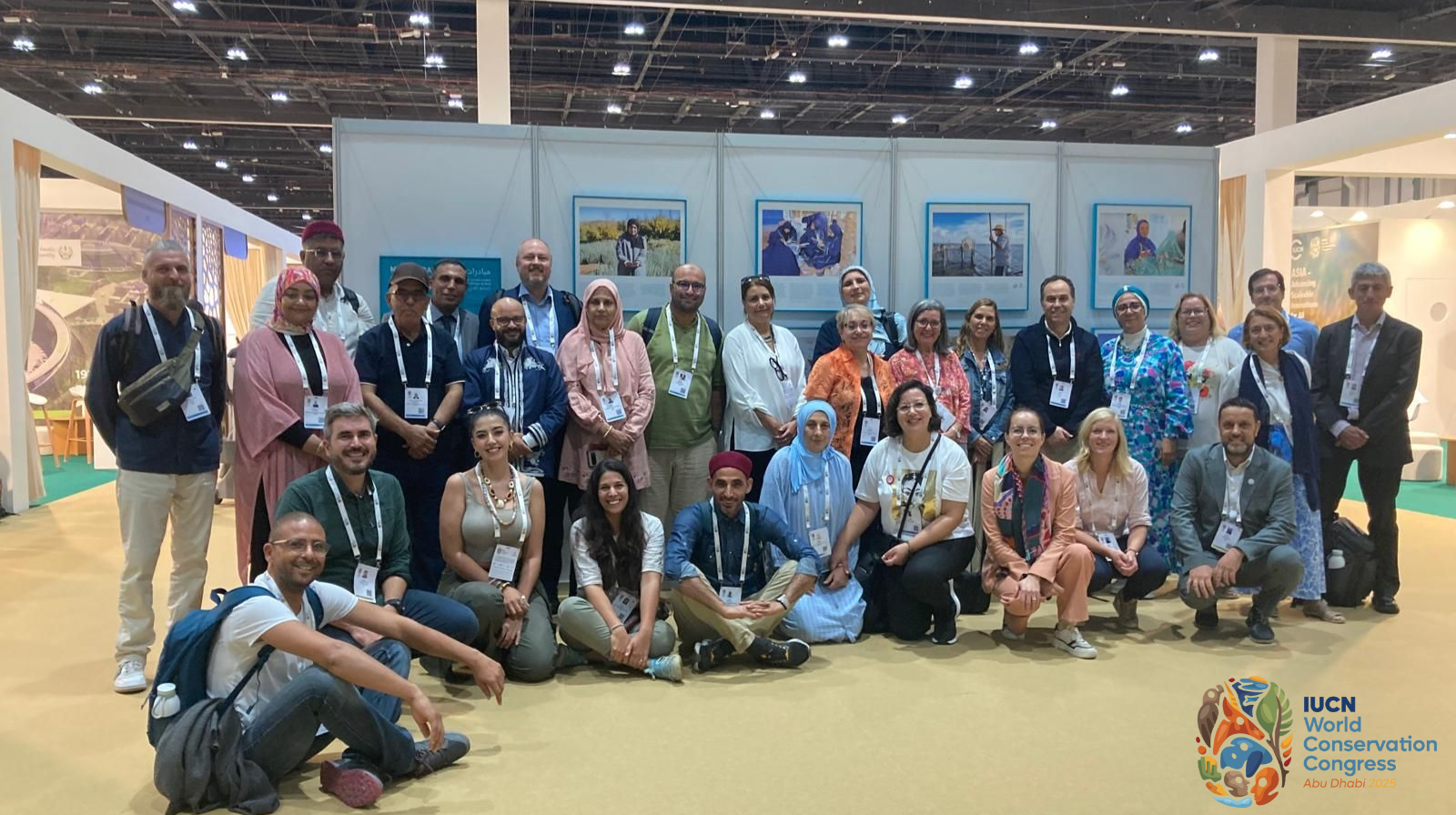
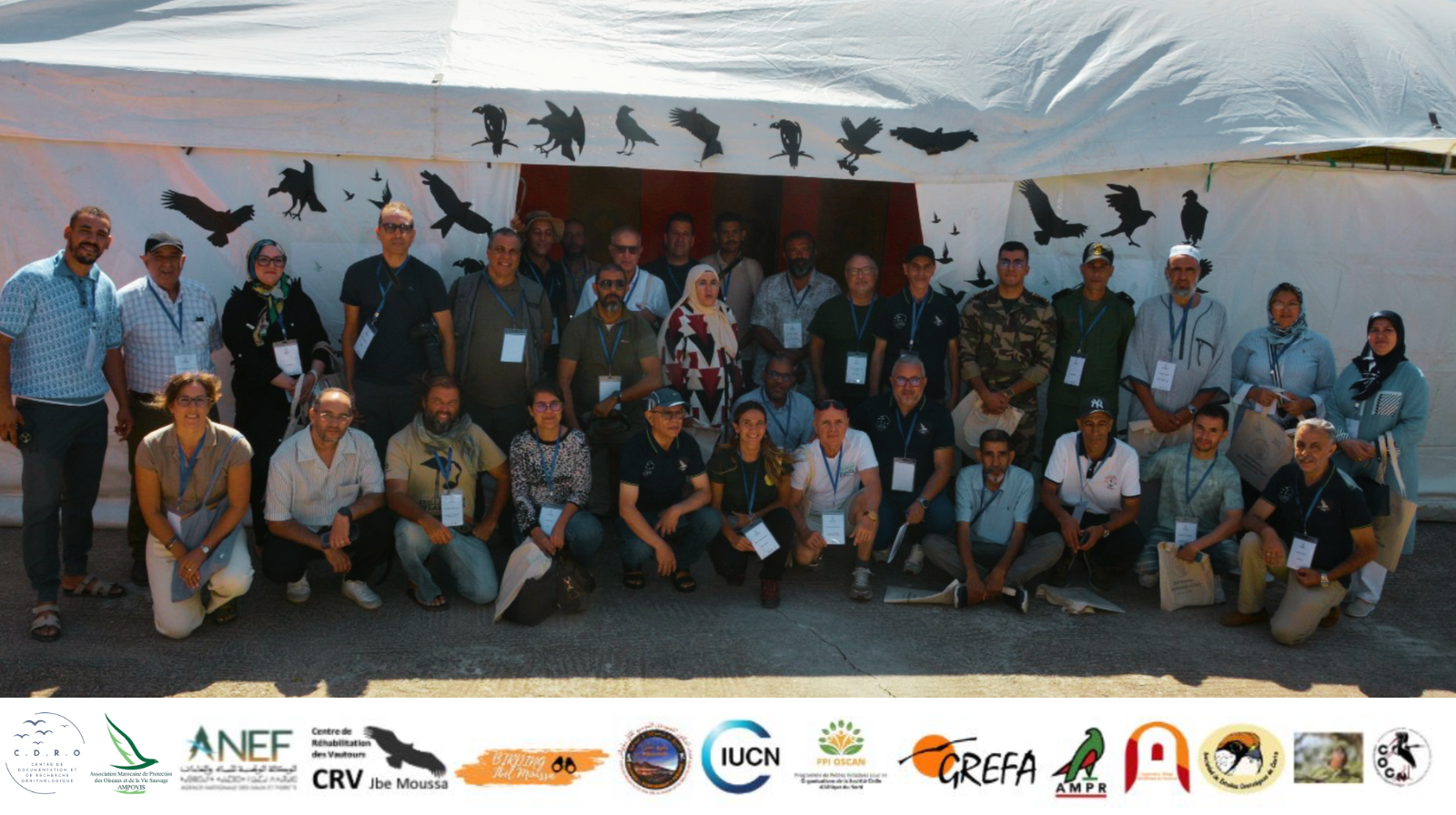
Under the Mubadarat platform of IUCN Med, and with the support of AECID (Spanish Cooperation Agency), a capacity-building initiative is being implemented to strengthen the capacities of civil society organisations (CSOs) and local actors in North Africa and West Asia. This initiative promotes the use of Nature-based Solutions (NbS) to enhance resilience, support biodiversity conservation, and foster sustainable local development and employment opportunities.
As part of its capacity-building efforts, IUCN Med invites CSO personnel from targeted countries to participate in two upcoming trainings on:
- Sustainable fisheries – focused on strategies for implementing sustainable fishing models that reconcile environmental conservation, economic benefits, and social impacts.
- Species conservation – focused on IUCN tools and standards, particularly the Red List of Threatened Species, with the aim of strengthening participants’ capacity to integrate species conservation into their projects and interventions.
Dates and Locations
Species conservation Training
- Location: Tunis, Tunisia
- Tentative Date: Early- Mid June 2026
Sustainable fisheries Training
- Location: Alicante, Spain
- Tentative Date: Early June 2026
Eligibility Criteria
Interested organizations must meet the following criteria:
- Type of Organisation: Have legal status as a non-profit association or cooperative recognized by the competent administration
- Location: Based in one of the targeted countries (Morocco, Algeria, Tunisia, Libya, Egypt, Lebanon). CSOs from other Mediterranean or Masar Al’an countries may be considered.
- Alignment with thematic areas: The training theme must be relevant to the territories where the CSO operates. Applicants should demonstrate a clear interest and/or prior experience in species conservation, fisheries, Nature-based Solutions (NbS), biodiversity conservation, or community development.
- Commitment to Capacity Building: Willingness to engage in both online and in-person learning, including interactive modules, webinars, and practical applications.
- Potential for Project Development: Capacity to develop and submit project proposals for relevant funding opportunities, such as IUCN Mubadarat, CEPF, GEF-SGP, or other conservation and development funds.
- Nomination of a Trainee: Each applicant organization must identify the trainee who will attend the training and submit their CV as part of the application. The trainee must have working knowledge in English or French, and ability to travel (i.e. have a valid passport until the end of 2026).
- Willingness to Share Knowledge: Commitment to disseminate acquired knowledge within the organization and local communities.
Training Methods
Preparatory work: Trainees must be available and commit to undertake online pre-training modules and attend a preparatory webinar.
3-day in-person training sessions: which will cover theoretical knowledge, practical tools and approaches and action planning (development of concept notes/project proposals).
Follow-up support: Access to mentoring and proposal development support to apply for funding opportunities via a webinar in Autumn 2026.
How to apply
Interested organizations should complete the Expressions of Interest Form. Deadline to apply: March 26, 2026 at 11:59 PM (Central European Time – CET). Selected participants will be notified of the results of the process via email by 20th April.
Important: Organizations wishing to participate in both trainings must submit two separate application forms, one for each training.
Please note: Selected organizations and trainees will receive further instructions regarding travel arrangements and pre-training materials.
Selection Criteria
Up to 24 trainees will be selected to participate in the training. Only top-ranking applicants will be selected for each training. The selection process will consider age and gender balance. All applications will be reviewed based on the following criteria:
| Criterion | Description | Weight (%) |
| Country Eligibility | Organisations will be selected prioritizing the targeted countries (Morocco, Algeria, Tunisia, Libya, Egypt, Lebanon), ensure a balanced representation of countries and regions. | N/A |
| Profile of Trainees | Trainee cohorts will be selected considering a balance of age and gender. Women and young professionals are especially encouraged to apply. | N/A |
| Relevance of the Organization | Demonstrated involvement of the organisation in the field of the training: sustainable tourism and ecotourism OR food systems and biodiversity. The topic needs to be relevant in their local context. | 50% |
| Capacity of the Nominated Trainee | Background, expertise, and potential of the trainee to apply the training knowledge within their organization and develop future projects. Language skills in English or French. | 40% |
| Commitment | Clear commitment to engage in online learning, attend the full training, and integrate knowledge into their organization’s activities, including project development. | 10% |
About IUCN
IUCN is a membership Union uniquely composed of both government and civil society organisations. It provides public, private and non-governmental organisations with the knowledge and tools that enable human progress, economic development and nature conservation to take place together.
Created in 1948, IUCN is now the world’s largest and most diverse environmental network, harnessing the knowledge, resources and reach of more than 1,400 Member organisations and around 15,000 experts. It is a leading provider of conservation data, assessments and analysis. Its broad membership enables IUCN to fill the role of incubator and trusted repository of best practices, tools and international standards.
IUCN provides a neutral space in which diverse stakeholders including governments, NGOs, scientists, businesses, local communities, indigenous peoples organisations and others can work together to forge and implement solutions to environmental challenges and achieve sustainable development.
Working with many partners and supporters, IUCN implements a large and diverse portfolio of conservation projects worldwide. Combining the latest science with the traditional knowledge of local communities, these projects work to reverse habitat loss, restore ecosystems and improve people’s well-being.