Capacity building of civil society organizations for species conservation in the Mediterranean region
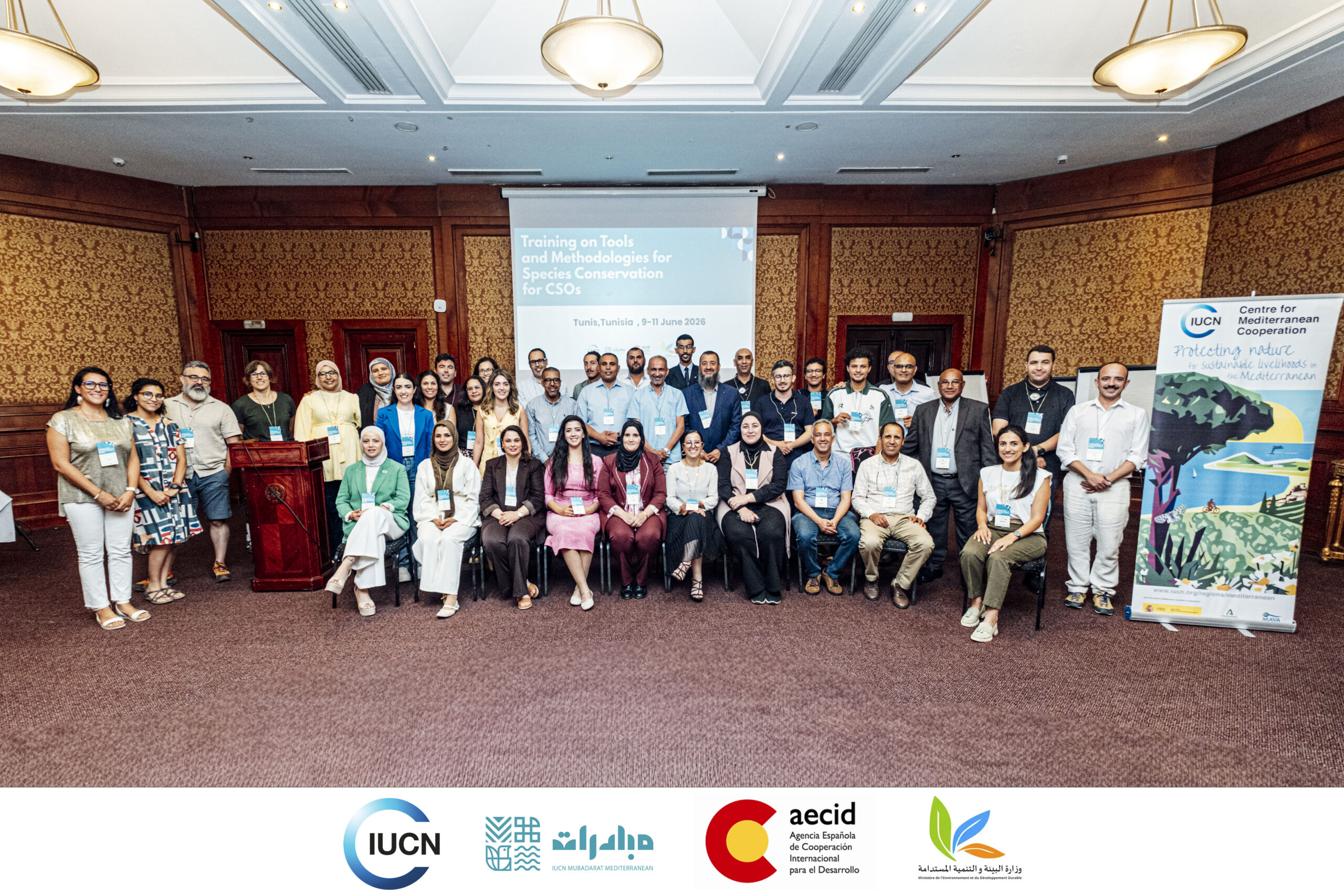
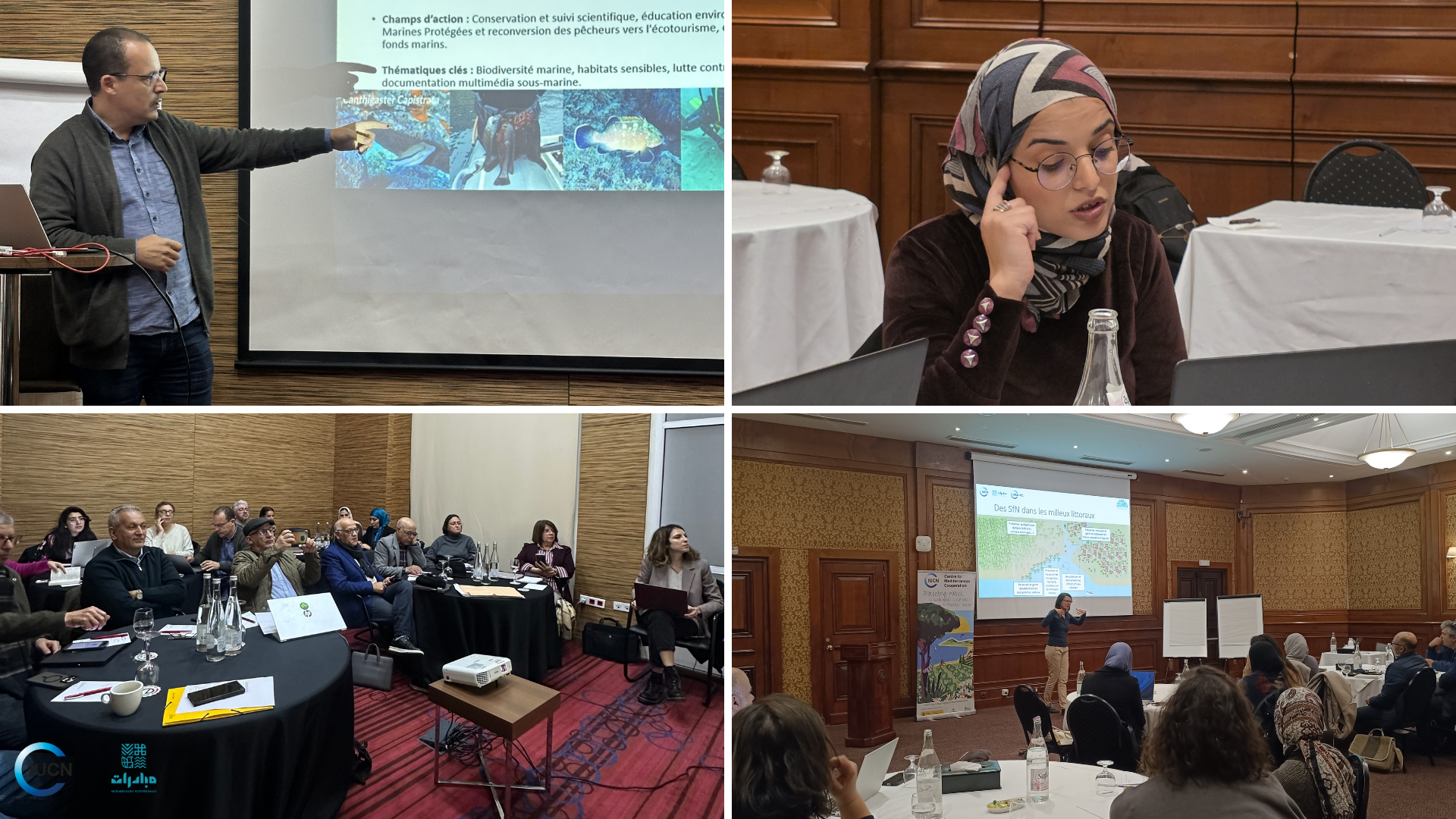
As part of the Mubadarat platform, IUCN Med, in collaboration with the Tunisian Ministry of the Environment and with the support of the Spanish Agency for International Cooperation for Development (AECID), organized a regional training entitled “Tools and methodologies for species conservation for civil society organizations” from 09-11 June in Tunisia.
This training brought together representatives of civil society organizations from Algeria, Egypt, Lebanon, Libya, Morocco and Tunisia, with the aim of strengthening their skills in biodiversity and ecosystem conservation. It responds to a growing need for civil society organizations to have recognized tools and methodologies to improve the quality of data produced, guide their conservation priorities and strengthen the impact of their actions on the ground.
A first day dedicated to conservation tools
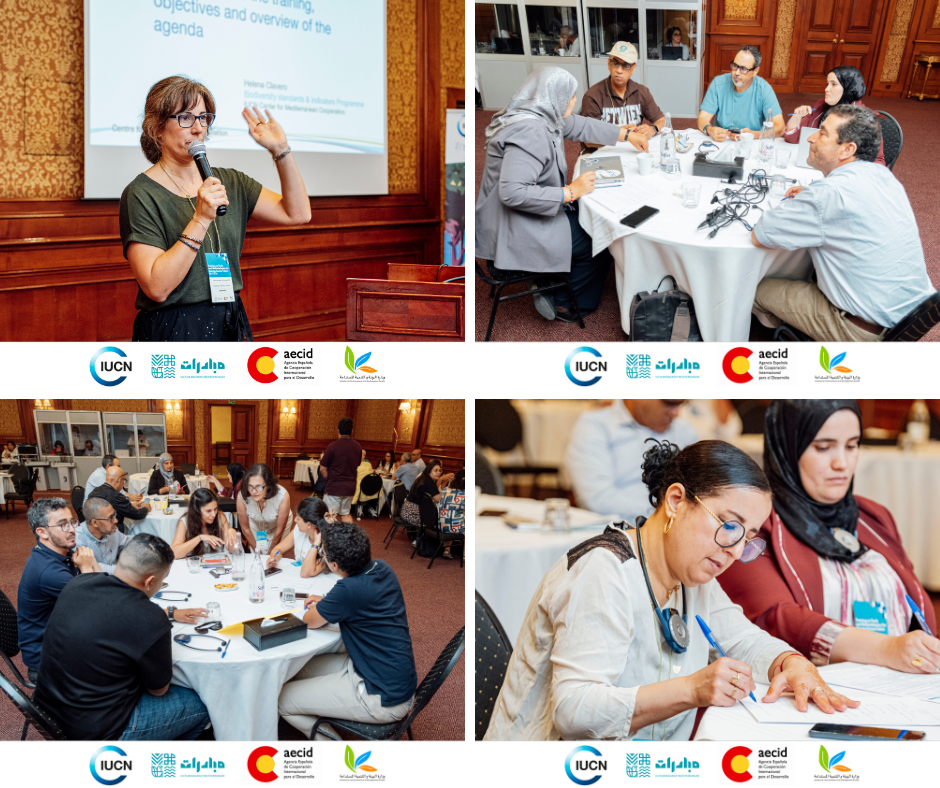
Participants were introduced to several reference tools developed by IUCN, including the Red List of Threatened Species and the Red List of Ecosystems. Through practical exercises, they discovered different databases and methodologies to assess the risk of extinction of species, identify the main threats facing them and analyze their geographical distribution.
This integrated approach also strengthens participants’ capacity to design Nature-based Solutions (NbS) in line with the IUCN Global Standard, ensuring that biodiversity outcomes can be effectively planned, measured and monitored throughout project implementation.
This first day was marked by many interactive exchanges and practical work, promoting the sharing of experiences among participants and the application of knowledge to their respective national contexts.
An immersion in the field at the heart of the Tunisian wetlands
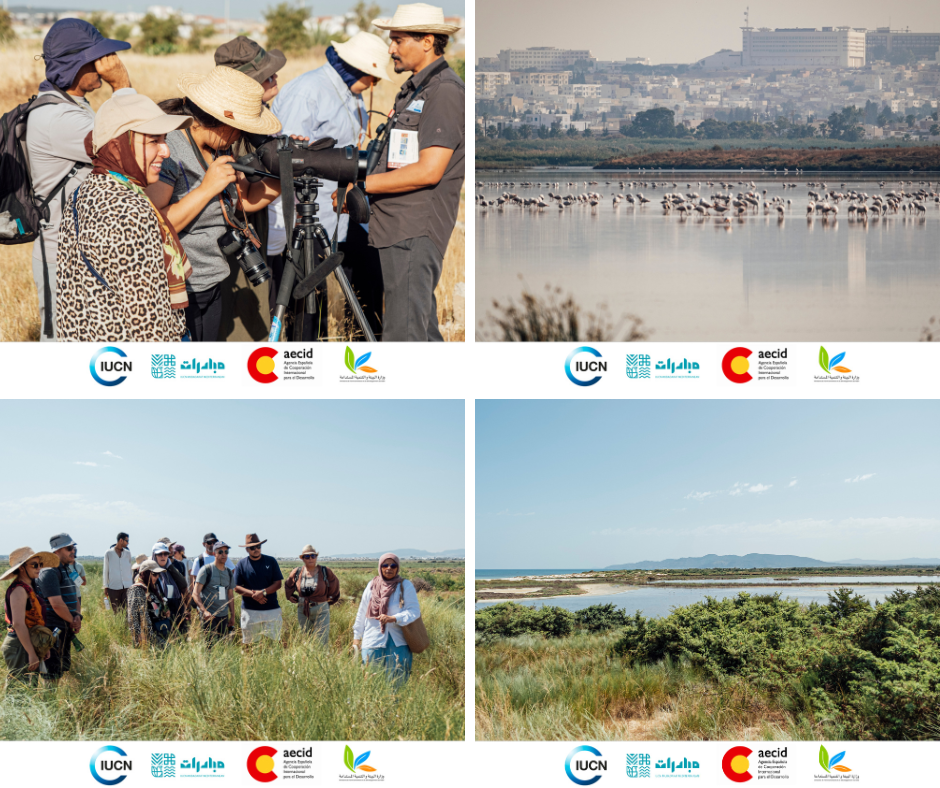
The second day allowed participants to put into practice the concepts addressed during the training through field visits in two Tunisian wetlands recognized as Key Areas for Biodiversity.
The first visit took place at Sebkha Sijoumi, where participants were welcomed by the Association Les Amis des Oiseaux (AAO) member of the national committee IUCN in Tunisia. This field trip allowed them to discover the ecological importance of this urban wetland and the diversity of species it supports.
The visit continued at Sebkha Soliman, a Ramsar site and Key Biodiversity Area, with the reception of the Environment and Development Association in Soliman (AEDS). Participants explored different natural habitats and discussed challenges and opportunities related to the conservation of wetland ecosystems.
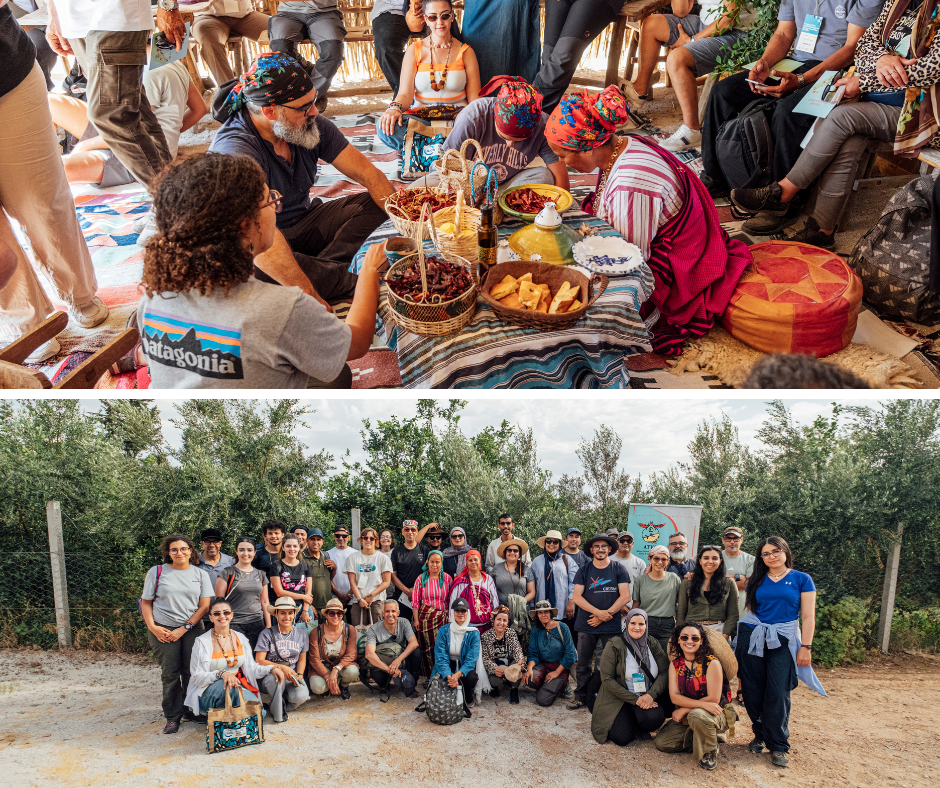
The program also included a visit to a local women’s agricultural group, highlighting the essential role of local communities in sustainable natural resource management.
The day ended with practical workshops on entomology and herbarium led by the Tunisian Wildlife Association (ATVS), allowing participants to strengthen their skills in species identification and biodiversity monitoring.
From knowledge to action
The training presented the main methodologies for species conservation planning as well as the approaches developed by the Conservation Planning Specialist Group (CPSG) IUCN to develop strategies and action plans based on scientific data and collaboration between stakeholders.
A session dedicated to species prioritization and conservation strategies illustrated these approaches through examples from North Africa.
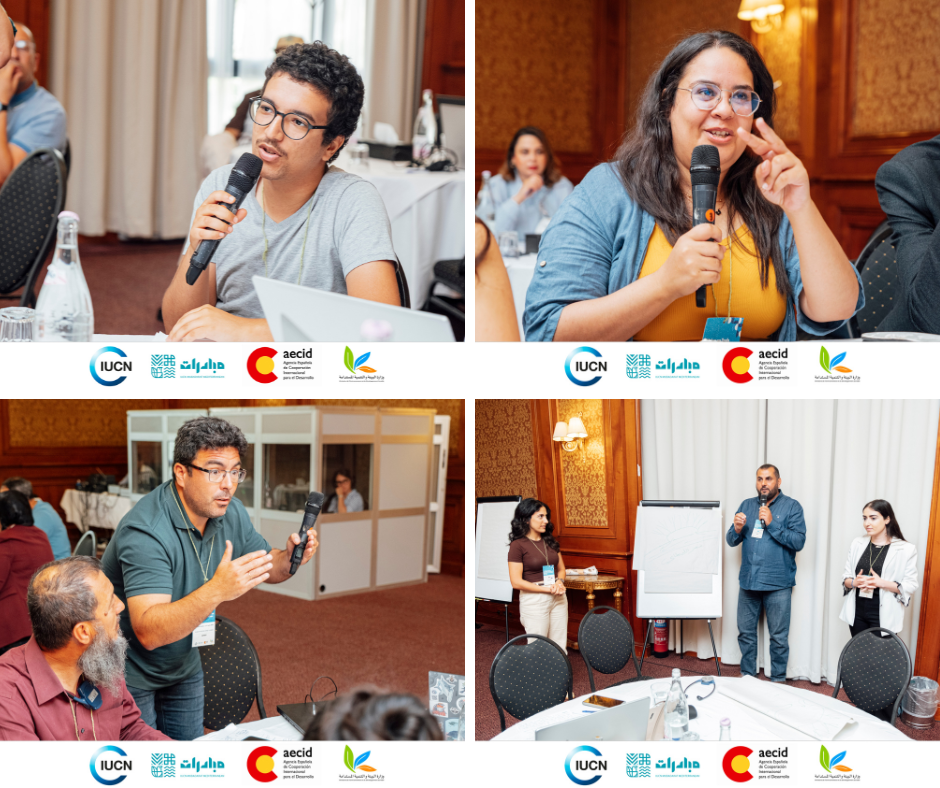
“The session on strategic conservation planning was particularly enriching. The tools and methodologies presented will allow me to be more effective in my fieldwork and better contribute to species conservation efforts in Tunisia.” Faouz Kilani, Tunisian Ornithological Association (Tunisia)
Finally, group work allowed participants to mobilize the knowledge acquired and lessons learned from field visits, in order to design conservation projects and actions adapted to the challenges of their respective territories.
A regional dynamic for conservation
This training takes place in a context where civil society organizations play an increasing role in the production of knowledge on biodiversity and the implementation of conservation actions across the Mediterranean region. Since the launch of the PPI OSCAN program, 38 projects have focused on the protection and monitoring of fauna and flora in North Africa, through inventory activities, monitoring of endangered species, mapping, habitat restoration, or even raising awareness among local communities.
By bringing together representatives from six countries, this training helped to strengthen the technical capacities of participating organizations, while promoting the adoption of common tools and methodologies. The aim is to enable CSOs to produce more robust data, better orient their conservation actions and strengthen the promotion of their results among institutions, scientists and decision-makers.
«This training was an excellent opportunity for exchange between civil society organizations in the southern Mediterranean basin. Beyond the technical knowledge gained, it allowed sharing experiences, learning from initiatives in other countries and strengthening regional cooperation for biodiversity conservation.” El Mokhtar Saied, General Environmental Authority of Libya (EGA).
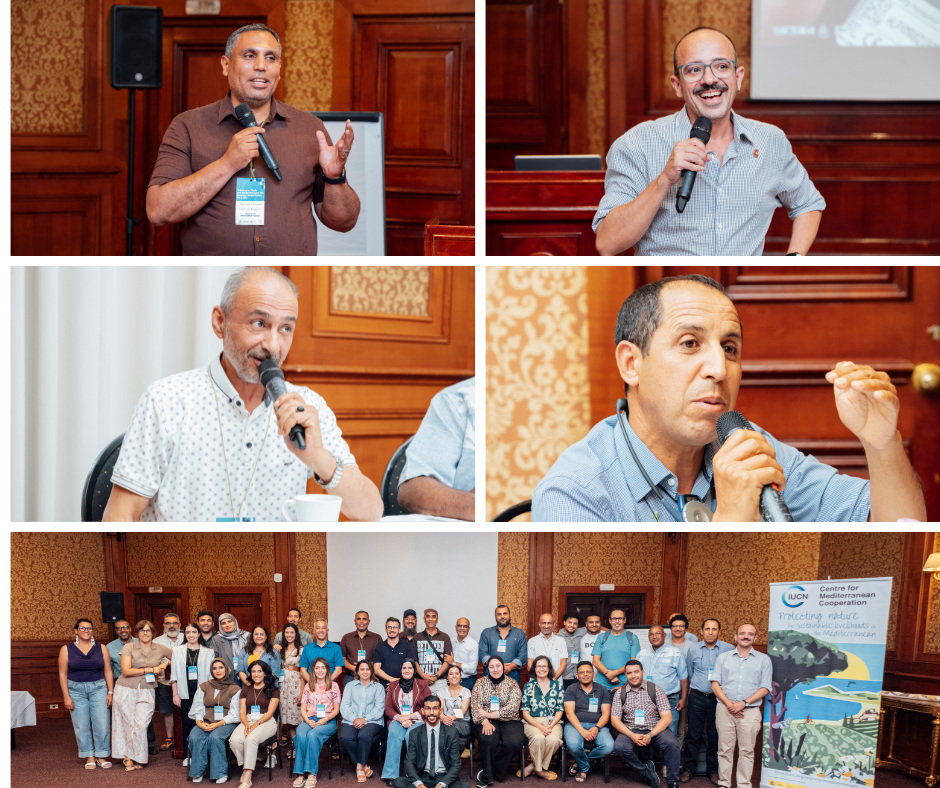
Beyond technical learning, the event fostered exchange of experiences, sharing of good practices and development of new collaborations between civil society organizations, members of IUCN National Committees and conservation practitioners. These links will help to strengthen regional synergies and support more effective and better coordinated conservation actions across the Mediterranean basin.